

Moving forward with the UK MND Research Institute
It is now approaching five years since the United2EndMND £50 million government campaign was born that led to the creation of the UK MND Research Institute (UKMNDRI). Working alongside leading charities, the Institute was founded with a clear purpose, to accelerate fundamental MND research and hasten the arrival of genuinely effective treatments for MND.
Supported by the UK Government, MND Association, My Name5 Doddie Foundation, MND Scotland and LifeArc, the UKMNDRI has rapidly earned global respect within the MND/ALS research community. Its structure and approach are now being examined as a potential model in Australia, with other regions, including Canada, adopting similar campaigning strategies and ambitions.
Five years may feel like a long time, yet in research terms the Institute remains young. Continued evolution, and crucially continued funding, is essential. A central objective for the next five years is to establish the Institute as a financially independent organisation.
The Institute’s early achievements, including the now internationally recognised EXPERTS‑ALS drug screening platform, the MND Register, Bio-banking and blood sampling along with significant progress in fostering a more collaborative UK research environment have laid strong foundations. However, we recognise that sustained, disciplined improvement is vital.
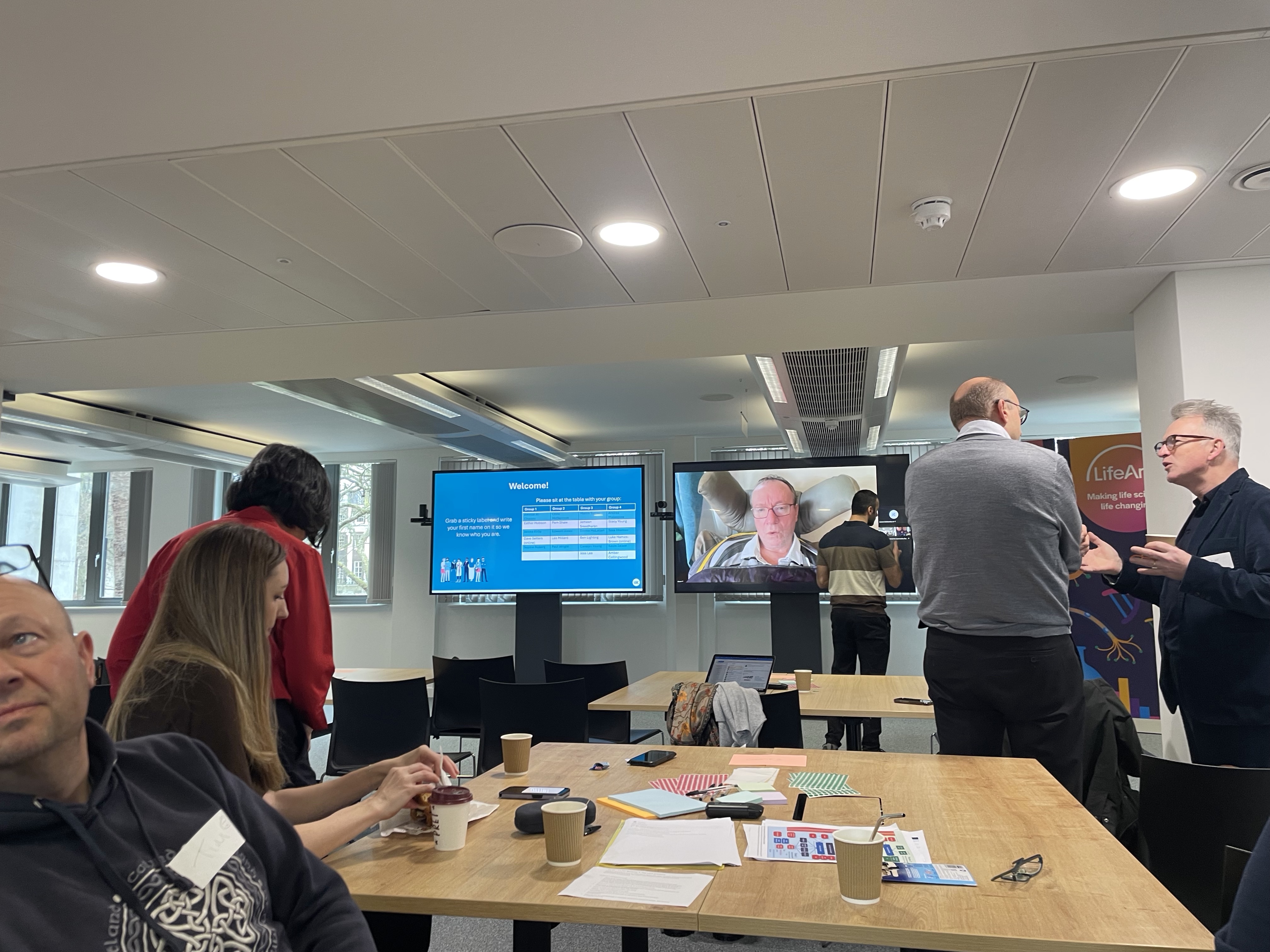
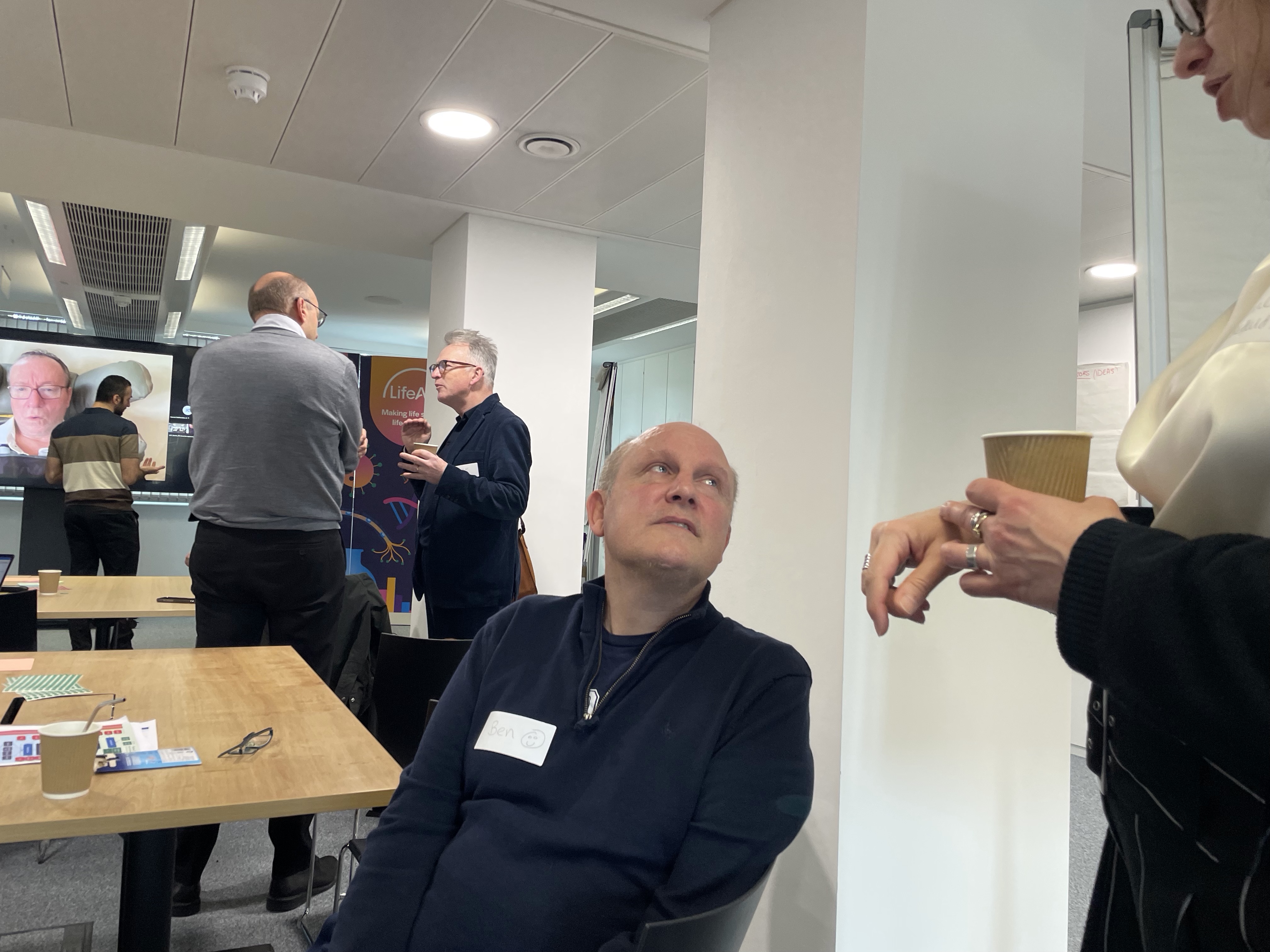
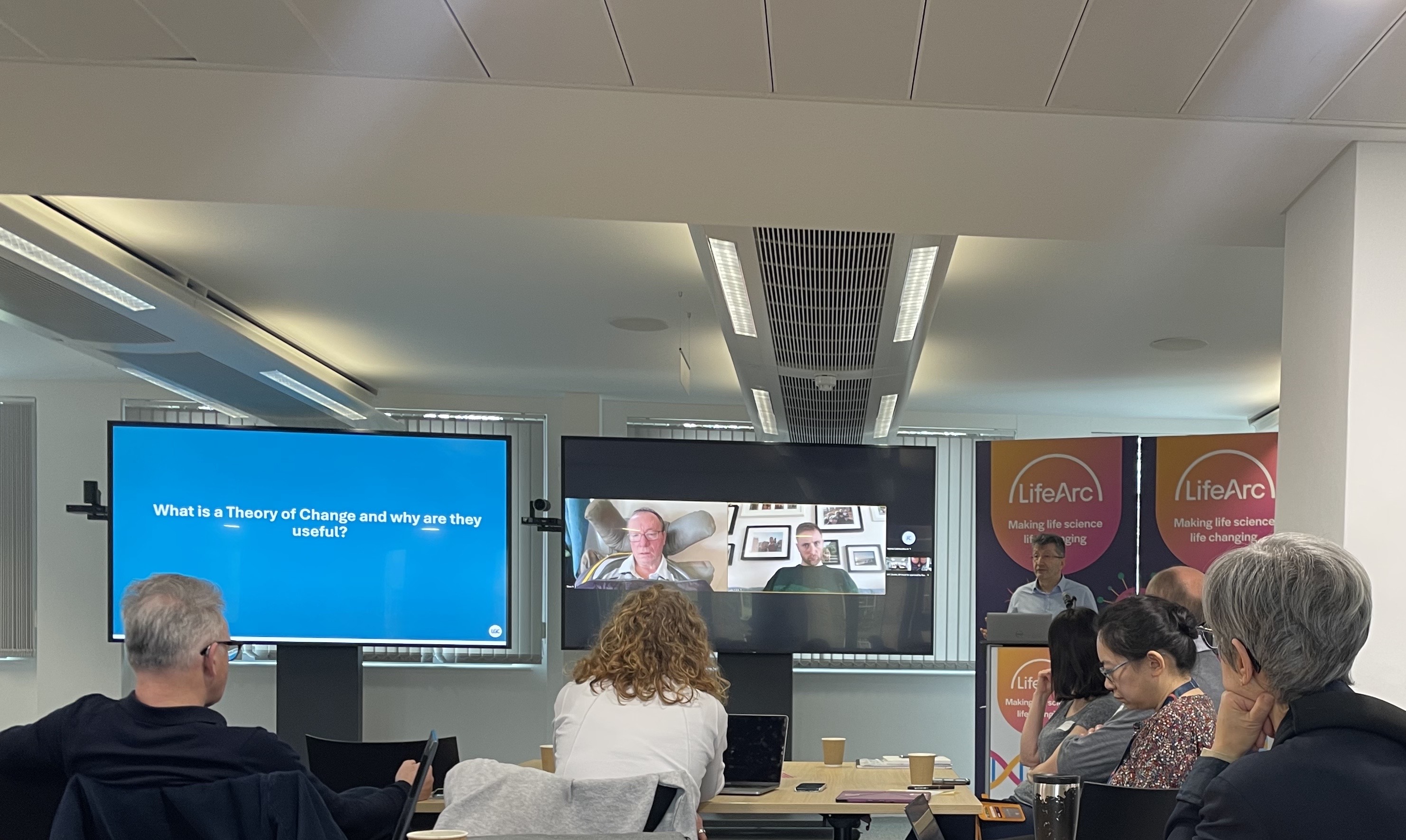
With that in mind, in early March, leading UK neurologists, clinicians, researchers, initial funders and patients met at LifeArc’s London office to plan the next phase of the Institute’s development.
In the next five‑year period, the Institute must embed continued funding, deeper collaboration, long‑term sustainability and innovation into its everyday operations. The transformation required is perhaps comparable to the relentless efficiency drive and focus that defined the Japanese automotive industry in the 1980s. UK MND research needs that same clarity of purpose.
Many of the necessary changes are not glamorous, but it is only through persistent, systematic improvement that meaningful long‑term progress will be achieved. For example, the open sharing of data, which revolutionised computing in the 1980s, through open-standards and open‑source collaboration, must become a defining feature of MND research.
The UK MND Research Institute aims to be recognised as a national centre of excellence and the natural destination for pharmaceutical partners, researchers and innovators. We are making progress, but there is still much to do.
In this March 2026 meeting, a Theory of Change exercise was the driving force. The full day workshop created an open environment in which participants explored the outcomes required for success and the prerequisites needed to achieve them. Discussions covered succession planning for key roles, industry engagement, basic science, drug discovery, trial design and the wider regulatory landscape.
Regulation, particularly the roles of MHRA and NICE, is especially relevant given the current challenges in the UK surrounding access to tofersen for eligible patients. The community is rightfully concerned that even a small eligible population is facing significant barriers. What will this mean when broader treatment candidates emerge? It is a critical issue that must be addressed.
The detailed outputs from the workshop will guide the Institute’s next steps.
Our sincere thanks to all who participated; the charities, the facilitators and, above all, the exceptional MND researchers from across the UK, led by Professors Ammar Al‑Chalabi and Christopher McDermott.
As always, we welcome comments and contributions from our community through any channel, including our contact form.

 We are United2EndMND - Changing the conversation